
Shopping for Vintage Pieces? Here is Your Guide
Sep 11th 2020
There is something special about vintage pieces. It is more than just being an old piece of furniture. There is a character that speaks to the craftsmanship and level of detail in building these items. Today’s modern furniture is more about mass producing than taking the time to create beautiful works of art that are meant to last. You just don’t see these leg styles, inlays, and carvings in today’s pieces like you do with antiques.
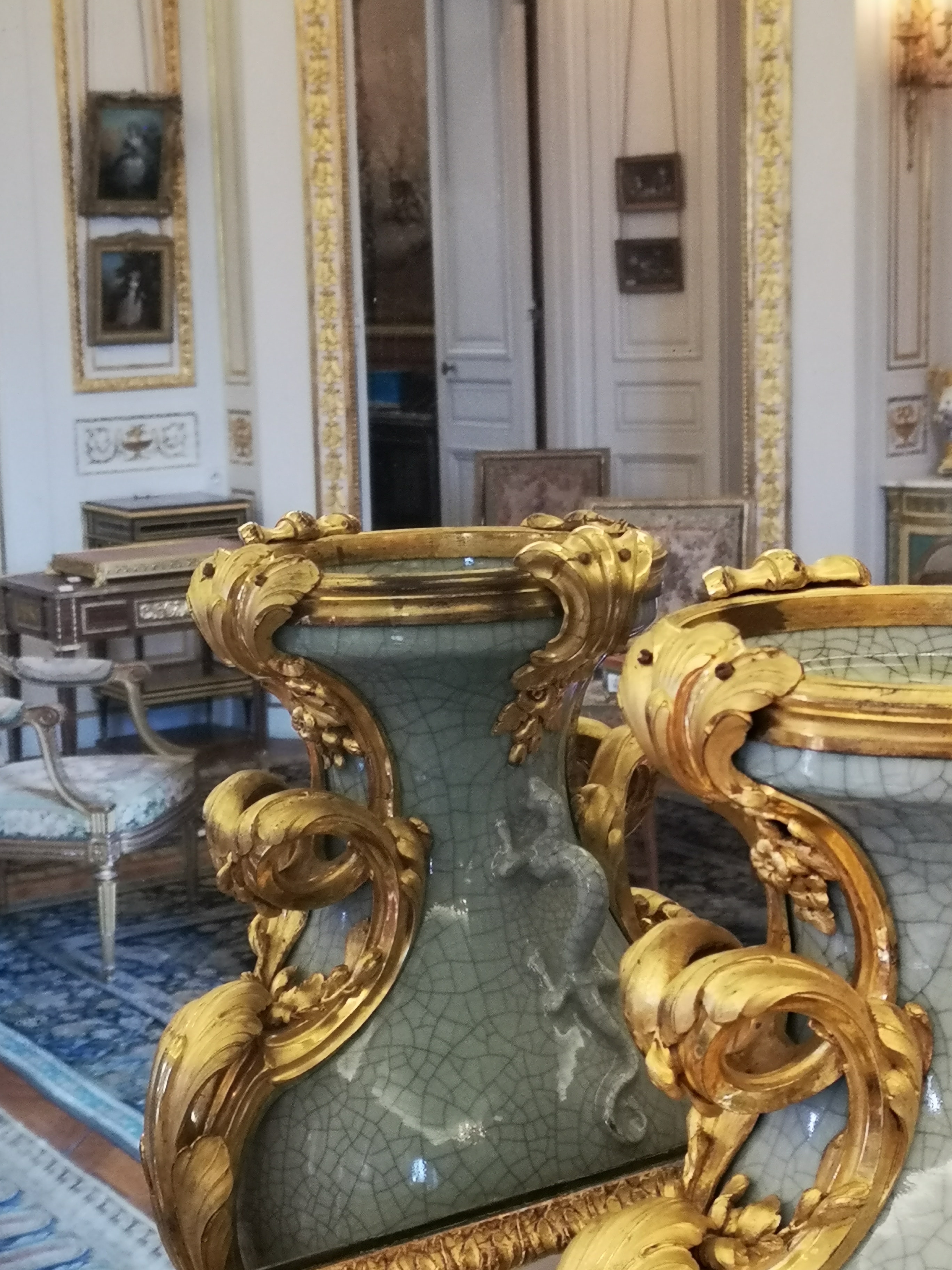
But you might already know this if you’re into antiquing. It’s a part of the charm that we love. However, what is charming can soon turn alarming when you step into an antique shop or browse an online marketplace and discover how overwhelming it can be. There are so many vintage items out there. How is one to sort through and find the best pieces for a space?
Guiding you through the world of antique and vintage items, here are some basic tips for selecting pieces.
Understand the History
Just like how the architecture in our homes have key details and elements that tell of its time period and history, furniture does as well. This is seen through motifs/images, leg styles, body shapes, etc. Learning about the history of a piece can help you in creating a cohesive antique look throughout your home. This is great too if you live in a historical house and want the décor and furnishings to match.
Most places that offer antique and vintage pieces know a bit of the history behind the item. Even if that is just the time period. It never hurts to ask a couple questions on the item so you know more about the backstory behind the piece.
Know the Purpose of the Piece
Antiquing is more than just shopping at a vintage store. It is a full on hobby and borderline obsession. It can be exciting to stumble upon a one-of-a-kind gem. No wonder people have garages and barns full of old treasures!
However, to not turn your home into a hording situation, it helps to have an intention or reason behind the piece you are considering. Where is it going? Does it have a home or is it just a fabulous piece without a place to put it? Make sure there is a reason, function, and location behind each piece you are considering purchasing.
Look at the Limbs
It’s a rarity that you will find a whole room worth of antiques in a one-time shopping trip. Antiquing can be a pieced together process, but you don’t want your space to reflect that. In order to create a cohesive design with your pieces, look at the limbs of the furniture.
Arm, leg, and feet styles are key clues to telling the time period of a piece. Look for these similarities, even if they are not quite a perfect match. Keep curved legs together and likewise with straight backs, ball-feet, etc. Other things to make sure to match up are the wood tones and species unless you plan to sand and re-stain.
Look for Quality
Just because a piece is old doesn’t mean it is great for your decor. A lot of old furniture goes unloved, sitting in garages or basements, collecting water damage and wood rot. Just like car shopping, evaluate the cosmetic damage to your piece but make sure that it’s able to run! Do the drawers slide out with easy? Does that dresser have a wobble? Is there bowing in that dining table?
For upholstery pieces like sofas and arm chairs, make sure that they have good frames. Most of the time, people will get these reupholstered in a fabric of their liking. Don’t let scratches scare you off a piece, as these can be easy to fix. You want to make sure that the piece has good bones and structure first and foremost.
Aside from furniture, décor pieces are also great vintage finds. These pieces work well in both traditional and more modern design styles. From artwork to textiles, here are some additional tips for antique décor.
Consider a Vintage Rug
Antiques don’t just come in coffee tables and highboy dressers. Vintage rugs have made a comeback in modern design, as well as being timeless in more traditional styles. Vintage rugs are a great antique piece because they are made better than today’s modern varieties (as in most vintage cases). This means that they are more durable and made to last longer, living in your space for years to come.
These rugs are also less maintenance because they are easier to clean. This is due to being made of natural materials (mostly wool) that can be forgiving on stains. Another reason they are low maintenance is that even with wear over time, the fading that happens naturally with these rugs lends well to the character and charm of these pieces.
Find Human Error in Textiles
While errors might be considered a bad thing in most cases, with textiles and rugs, imperfections are seen as a good sign. These tiny details tell that a piece was made by hand and not a machine. These imperfections also add extra character and give a story to a piece.
Last bit of information isn’t so geared towards the pieces, but you definitely should take into consideration! Especially if you are planning on decorating in all vintage and antiques.
Check into Vintage Shops Every Week
Whether it be online or a brick and mortar shop, keep checking in frequently to see what new pieces have arrived. Since these items are not manufactured today, it is a gamble each time you visit. Is that same piece you were eyeing over last week still there, or did someone else snatch it up? Alternatively, what “new” items have found their way into the shop? Remember, a big part of antiquing is in the discovery!
Now that you know a bit more on vintage and antique pieces, you’re ready to hunt down the best treasured furniture for your home.